Is Your 901 Home Ready for an EV Charger?
Electric vehicles are becoming a common sight cruising down Poplar Avenue and parked in driveways across Memphis. If you are fixin' to make the switch to electric, you are probably thinking about how to keep your new ride powered up and ready for your daily commute. While public charging stations are expanding across the region, nothing beats the sheer convenience of plugging your car in at home and waking up to a full battery.
But before you bring that new electric vehicle home, it is crucial to ask: is your house actually equipped to handle it? Plugging a car into your home's electrical system is not quite the same as plugging in a toaster or a television. It requires a significant, sustained draw of power that many older homes simply were not designed to support.
Navigating the transition to an electric vehicle involves more than just picking out the right car model. It requires understanding your home's energy capacity, ensuring safety compliance, and planning for a seamless charging experience. Let's explore what it takes to prepare your home for the future of driving, from assessing your current infrastructure to understanding the installation process.
Assessing Your Electrical Panel Capacity
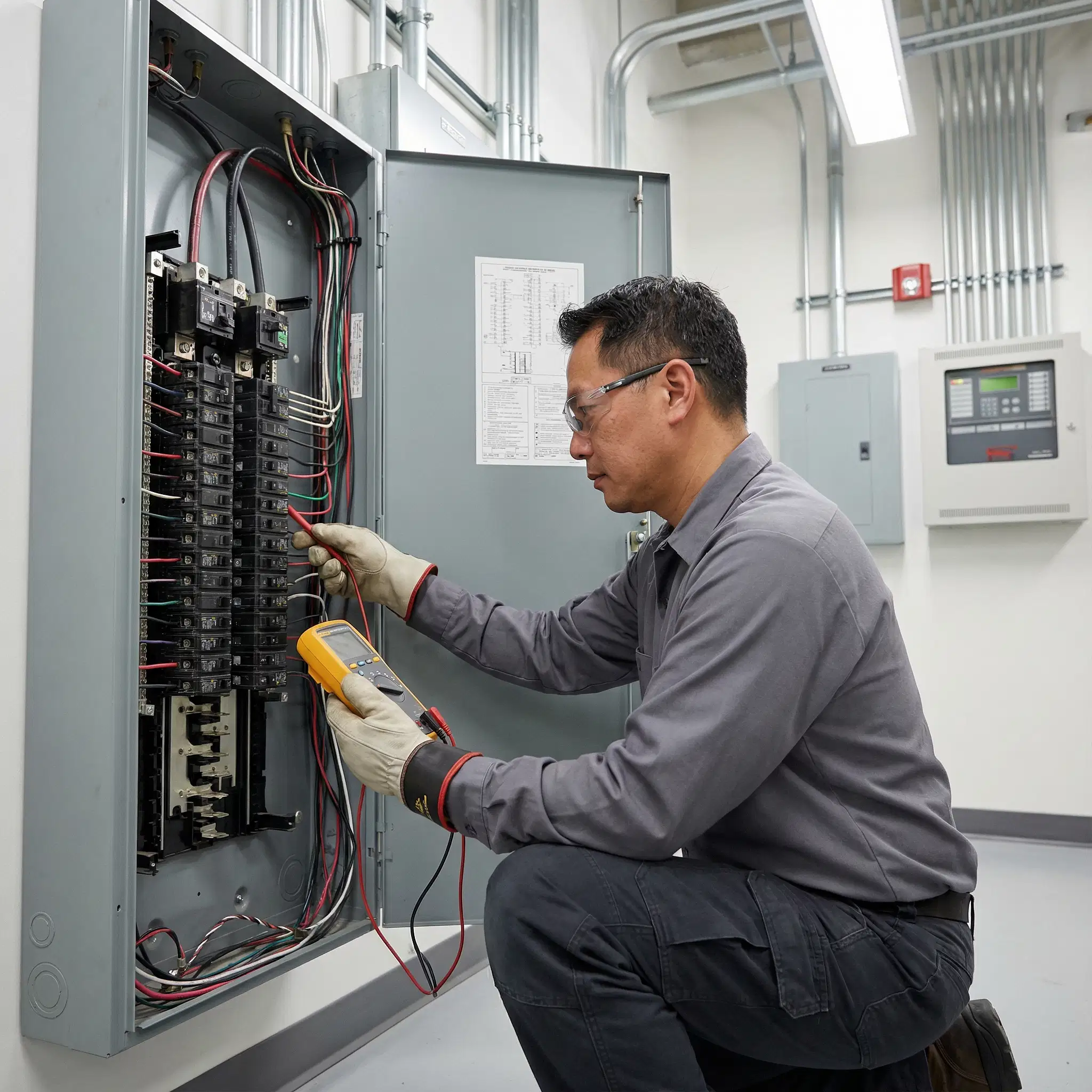
The most critical step in understanding residential EV charging station installation requirements is evaluating your current electrical panel. Your electrical panel is the heart of your home's power system, distributing electricity from the grid to every circuit in your house. Most standard homes built a few decades ago were equipped with 100-amp or 150-amp panels, which were perfectly adequate for the appliances of the time. However, adding an EV charger introduces a massive new continuous load.
If you live in a historic home in Midtown or a classic shotgun house, you might even be dealing with older wiring systems that require special attention. When we perform residential electrical services, especially in older properties, we prioritize checking for proper grounding. If your wiring isn't grounded, it poses a significant safety risk for high-draw appliances like car chargers. While rewiring is the safest long-term solution, we always work with homeowners to find the most effective and budget-friendly ways to ensure safety.
Upgrading electrical panel for electric vehicle usage is often a necessary step to ensure your system can safely deliver the power needed without constantly tripping breakers or creating fire hazards. A modern 200-amp panel not only accommodates your new charger but also prepares your home for other modern upgrades, like smart home automation or energy-efficient HVAC systems.
The Level 2 Charger Home Installation Process
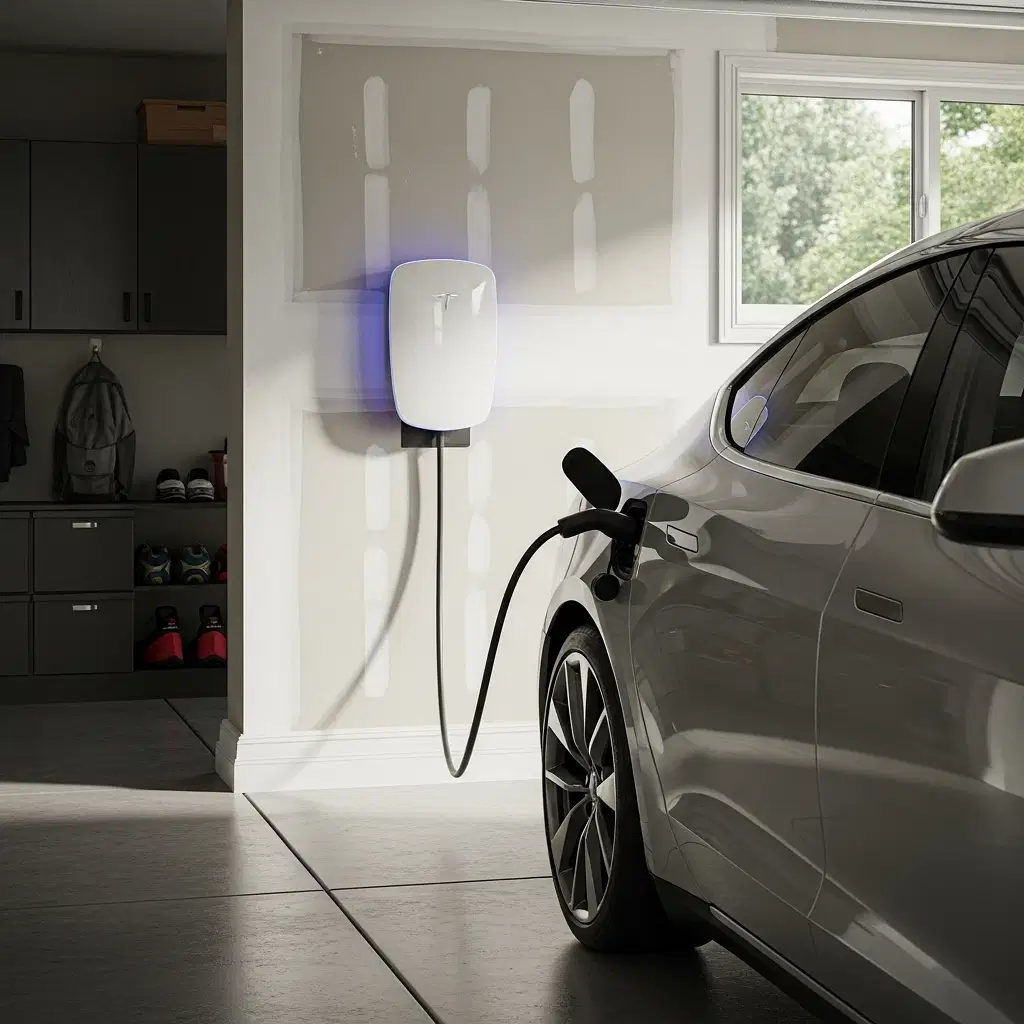
When it comes to charging at home, you generally have two options. A standard 120-volt wall outlet provides a Level 1 charge, which adds about 3 to 5 miles of range per hour. For most daily commuters, this is simply too slow. Upgrading to a Level 2 charger is the sweet spot for most drivers, offering a much faster charge that can easily fill your battery overnight.
The level 2 charger home installation process involves running a dedicated 240-volt circuit from your main electrical panel to the charging location, usually in your garage or on the side of your driveway. This is not a DIY project or a job for an unlicensed handyman. It requires strict adherence to local building codes and safety standards to prevent overloading your system.
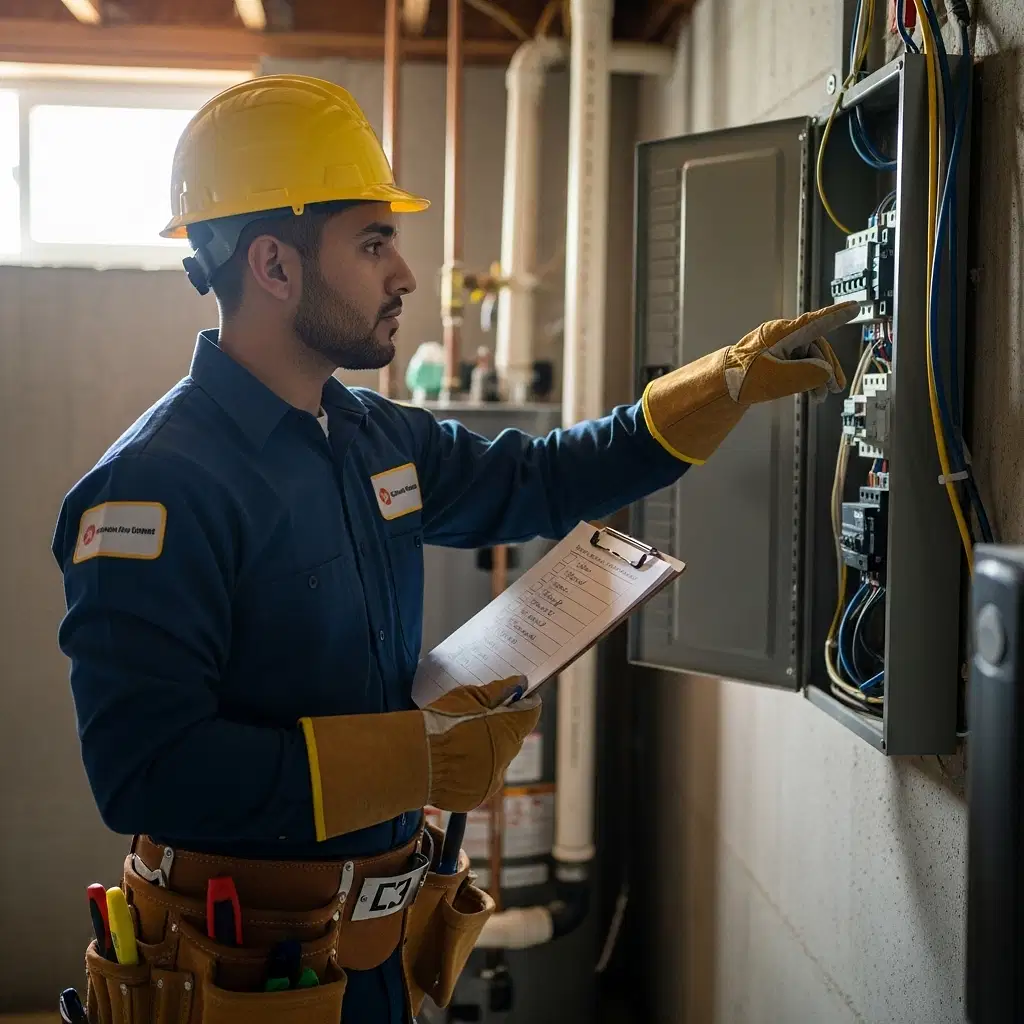
Sometimes, running new circuits uncovers hidden issues in a home's existing wiring. If we encounter a hiccup during the installation, our approach to electrical troubleshooting is completely transparent. We provide a clear timeframe to fix the issue, and if something requires more time or costs more due to a larger underlying problem, we always inform you and get your explicit approval before moving forward. Whether it is a standalone installation or part of larger home remodels, having a licensed, bonded, and insured professional handle the job ensures your home remains safe and up to code.
Navigating Local Rebates and Incentives
One of the most common questions we hear from homeowners is whether there are local rebates for home EV charger installation. The good news is that upgrading your home's energy infrastructure is highly encouraged right now, and there are financial incentives available to help offset the initial costs.
Thanks to federal initiatives like the Inflation Reduction Act (IRA) tax credits, homeowners can often claim a credit for a portion of the hardware and installation costs of a new EV charger. Additionally, as local utility providers continue their grid modernization efforts, staying updated on regional energy programs can make your transition to an electric vehicle much more budget-friendly. Investing in a professional installation not only ensures you qualify for these incentives by meeting all code requirements, but it also adds long-term value to your property.
Let's Get Your Home EV-Ready
Adding an EV charger to your home is a fantastic investment in convenience, sustainability, and property value. However, it requires professional expertise to ensure the job is done safely, correctly, and in compliance with all local regulations. If y'all are ready to take the next step toward energy independence, we are here to help make the process as smooth as possible.
At A.B. Electric Services, we proudly serve our local community with transparent, upfront pricing, reliable scheduling, and a commitment to exceptional craftsmanship. Whether you need a panel upgrade for your new vehicle, general Electrical Repairs, or are looking into Generator Installations to keep your home powered during severe weather, our experienced team has you covered. Contact us today to schedule your consultation and ensure your home is fully prepared for the road ahead.