
Essential GFCI Outlet Requirements for Home Safety
When you live in a place with as much history and charm as Memphis, your home often tells a story. From classic mid-century ranch houses to century-old historic properties, older architecture provides incredible character. However, that vintage charm sometimes comes with outdated electrical systems. Whether you are living in a historic home or a modern build, keeping your family safe from electrical hazards is a top priority.
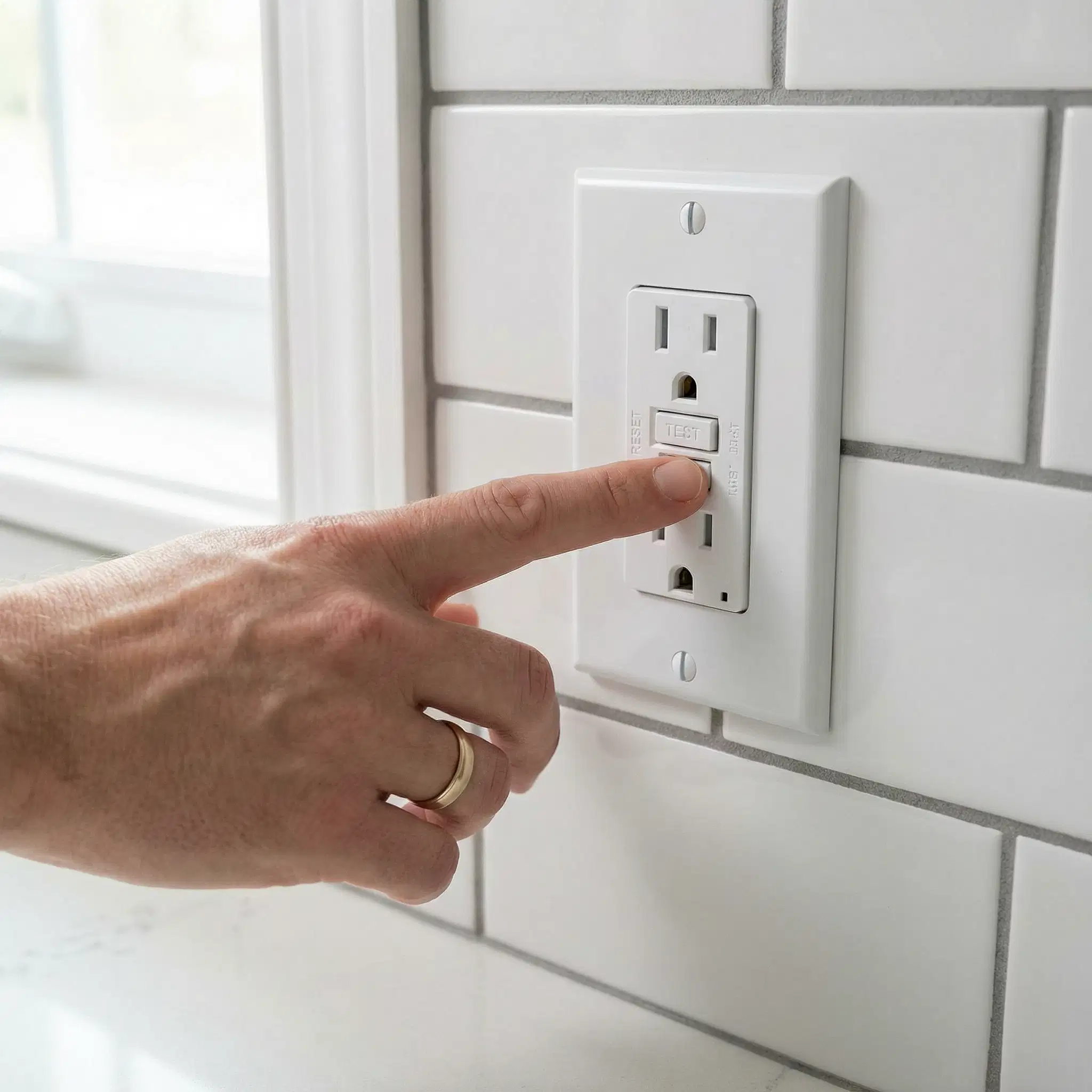
One of the most critical components of modern electrical safety is the Ground Fault Circuit Interrupter, commonly known as a GFCI. If you have ever wondered what those outlets with the little "test" and "reset" buttons are actually doing, they are actively protecting you from electric shock. GFCIs monitor the flow of electricity in a circuit. If they detect even a slight imbalance—meaning the current is leaking somewhere it shouldn't, like through water or a person—they instantly cut off the power.
Understanding how these devices work, where they are required, and when they need professional attention can give you peace of mind and help you keep your home strictly up to code.
GFCI Outlet Installation Requirements by Room
A common question we hear from homeowners is, "What is a GFCI outlet and where should they be installed?" To maintain safety standards and strict electrical code compliance, the National Electrical Code (NEC) dictates specific gfci outlet installation requirements by room.
Generally speaking, any area of your home where water and electricity might come into contact requires GFCI protection. Here is a quick breakdown of the primary areas:
- Kitchens: All receptacles serving countertop areas must have GFCI protection. This includes outlets near the sink, but modern code updates increasingly require them for dishwashers and refrigerators as well.
- Bathrooms: Every single receptacle in a bathroom must be a GFCI. Because of the high moisture environment from showers and sinks, this is non-negotiable for safety.
- Garages and Unfinished Basements: These areas are prone to moisture and are often where people plug in heavy-duty tools. GFCI protection is required here to prevent accidental shocks.
- Outdoor Areas: All exterior receptacles need GFCI protection to withstand weather conditions and keep you safe while plugging in lawn equipment or string lights.
- Laundry Rooms: Outlets within six feet of a sink or the washing machine require this specialized protection.
If your home is missing these critical safety devices in water-prone areas, it is highly recommended that you look into electrical outlet and switch installation to bring your property up to current safety standards.
Dealing with Nuisance Tripping and Older Homes
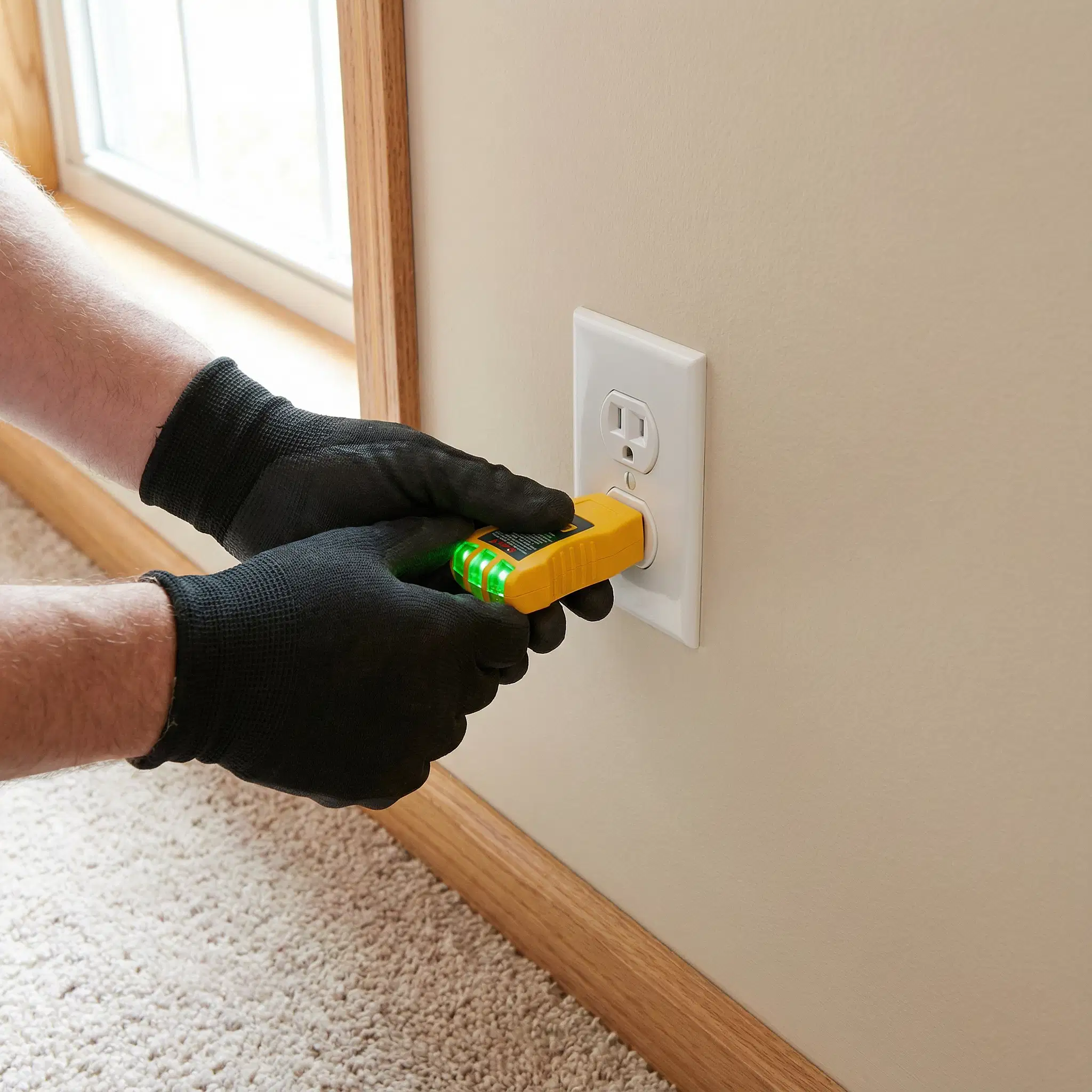
Sometimes, homeowners find themselves frustrated, asking, "Why does a gfci outlet keep tripping reset?" It is important to remember that a tripping GFCI is usually doing exactly what it was designed to do: protecting you from a fault.
Your circuit breakers or GFCI outlets might keep tripping due to a few common culprits. You could have water intruding into an outdoor outlet, a faulty appliance leaking current, or overloaded circuits. However, frequent tripping can also be one of the major signs it is time to replace electrical outlets. Like all mechanical devices, GFCIs wear out over time. A unit that is more than ten years old may begin tripping unnecessarily simply because the internal sensor has degraded.
This brings us to a specific challenge for historic homes. During our electrical inspections of older properties, we frequently prioritize checking for proper grounding. Many older homes were built with two-prong, ungrounded wiring. Ideally, if the wiring isn't grounded, a full rewiring is recommended for maximum safety. However, we know that can be a massive project. A highly effective, budget-friendly alternative is to install GFCI receptacles in your frequently used areas. While this doesn't create an actual ground wire, the GFCI will still sense electrical imbalances and trip, providing a vital layer of life-saving protection against shocks.
Why Professional Installation Matters
With countless home improvement tutorials available online, you might be wondering, "Is it safe to do my own DIY electrical work?" While painting a room or swapping out a cabinet knob makes for a great weekend project, electrical work is entirely different. Incorrectly wiring a GFCI outlet can mean the "test" and "reset" buttons work, but the device isn't actually providing ground-fault protection. This creates a dangerous false sense of security.
Hiring a licensed professional ensures that your electrical services are performed safely and correctly. At A.B. Electric Services, we believe in transparent, upfront pricing with no hidden fees. When we come out for troubleshooting, we provide a clear timeframe to fix your issues. If something complex comes up during an electrical outlet and switch repair that requires more time or costs more due to a larger underlying issue, we always inform you and get your full approval before moving forward. You will never be caught off guard by unexpected timeline extensions or surprise bills.
Keeping Your Home Safe and Powered
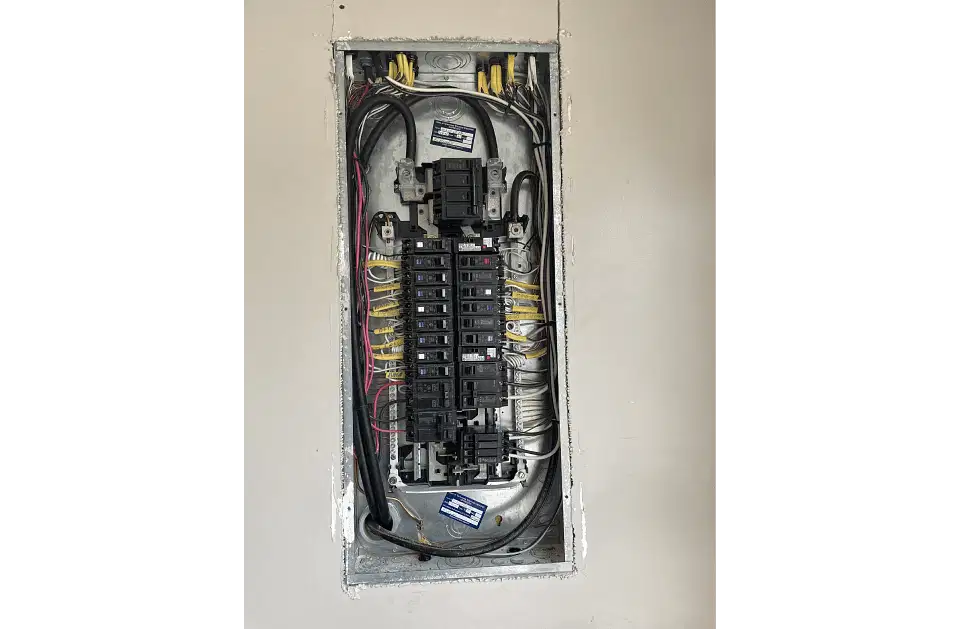
Protecting your family from electrical hazards doesn't have to be complicated, but it does require attention to detail and adherence to modern safety standards. From ensuring your kitchen countertops are properly protected to addressing ungrounded wiring in a charming older home, GFCIs are your first line of defense against electrical shocks.
If you are fixin' to upgrade your home's safety, or if you simply aren't sure whether your current outlets are up to code, y'all don't have to figure it out alone. The team at A.B. Electric Services is here to help keep the Bluff City safe, powered, and completely up to date. Reach out to us today to schedule an inspection or to discuss how we can improve your home's electrical reliability.