Don't Underpower Your Dream Home: Planning Electrical Capacity for Your New Build
Building a custom home here in the Bluff City is an exciting journey. You get to choose the layout, the finishes, and every detail that turns a house into your perfect home. But amidst the decisions about countertops and flooring, there’s a critical element that’s often overlooked: the electrical capacity. Planning your home's electrical system isn't just about placing outlets; it's about designing a robust foundation that can safely and reliably power your life today and for decades to come. An underpowered home can lead to frustrating issues like frequently tripping breakers, flickering lights, and the inability to add new technology without costly upgrades. In this guide, we'll walk through why planning your electrical load is one of the most important steps in the new construction process.
What is an Electrical Load Calculation and Why Does It Matter?
Think of your home's electrical system like its circulatory system. The electrical panel is the heart, and the circuits are the arteries carrying power to every room. An electrical load calculation is the process of determining exactly how much power your home will need to function efficiently and safely. It’s not a guess; it’s a detailed analysis required by the National Electrical Code (NEC) to ensure the system isn't overloaded.
This calculation considers everything that will draw power, including:
- General Lighting and Outlets: Based on the square footage of your home.
- Major Appliances: HVAC systems, water heaters, ovens, cooktops, dryers, and refrigerators.
- Dedicated Circuits: For specific high-draw items like microwaves, garbage disposals, or workshop tools.
A proper load calculation is the bedrock of a safe and reliable home. It ensures your wiring, circuits, and main panel are appropriately sized, preventing overheating that can create fire hazards. It also provides the peace of mind that your home's electrical system is fully compliant with all local and national safety codes, a top priority for any homeowner.
Planning for Today, Future-Proofing for Tomorrow
Your lifestyle dictates your electrical needs. If y'all are fixin' to build a home with a gourmet kitchen, multiple entertainment zones, and a home office, your power requirements will be significant. But it's equally important to think about the future. The way we use electricity is constantly evolving, and a system that’s adequate today might feel restrictive in five or ten years.
This is where future-proofing comes in. Consider these growing trends:
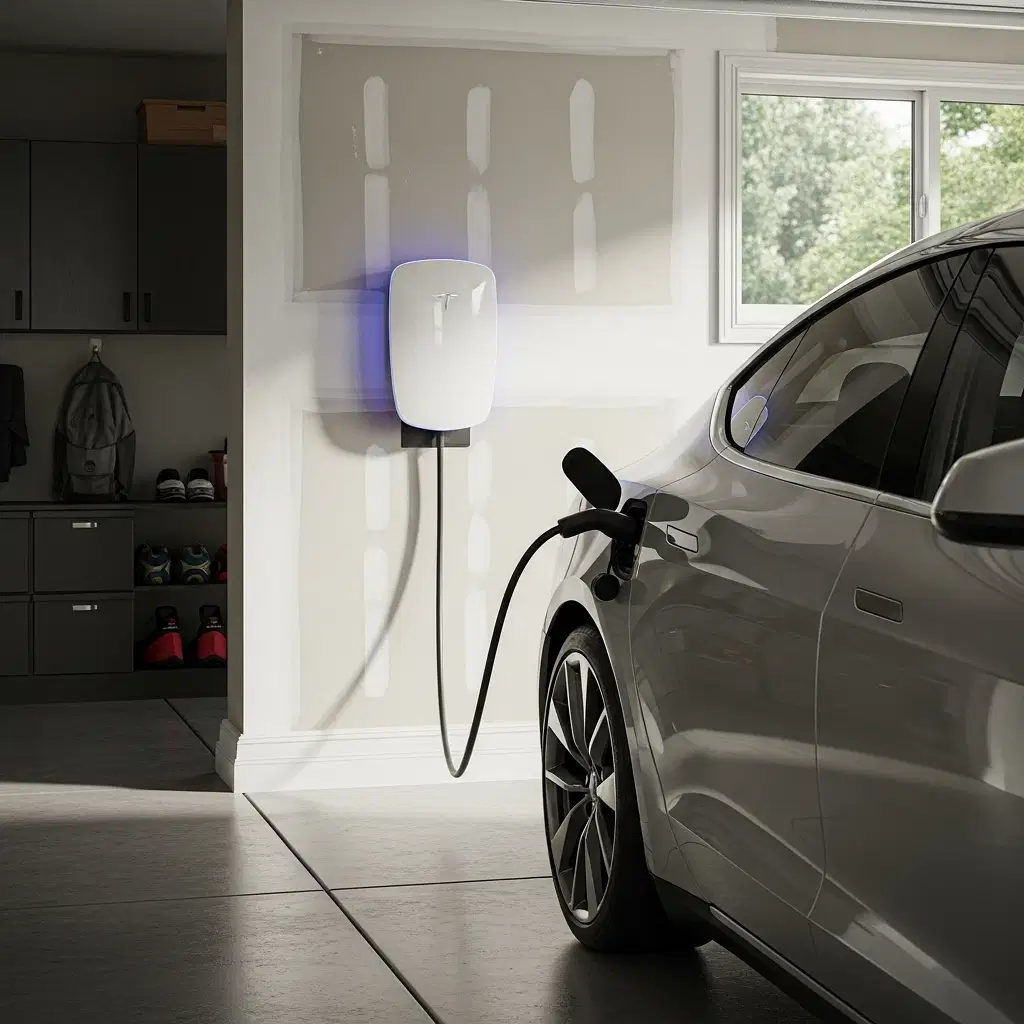
- Electric Vehicles (EVs): EV adoption is on the rise. Installing a dedicated 240-volt circuit for a Level 2 EV charger during construction is vastly simpler and more affordable than retrofitting one later.
- Smart Home Technology: Smart lighting, thermostats, security systems, and automated blinds all add to your home's electrical load. Planning for these integrations from the start ensures seamless operation.
- Home Additions: Do you dream of adding a pool, a hot tub, or a detached workshop down the road? Running conduit and planning for extra space in your electrical panel now saves you from major disruptions and expenses in the future.
By discussing your long-term plans with your electrician, you can design a system with enough capacity to grow with you, ensuring your dream home doesn't limit your future ambitions.
The Heart of Your Home: The Electrical Panel
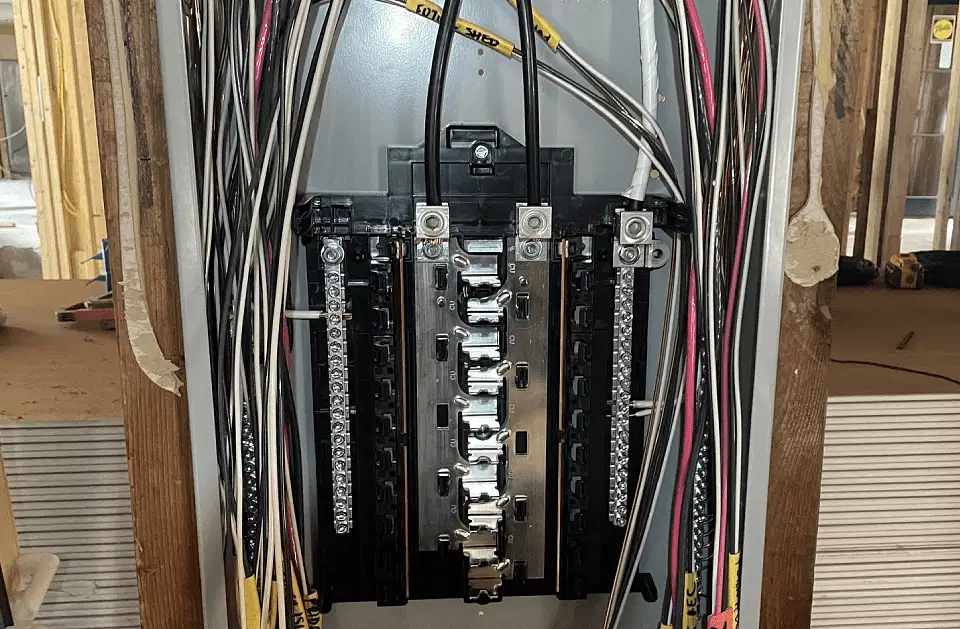
All this power needs a central hub to manage it safely—the electrical service panel. For decades, 100-amp service was the standard. Today, for most new custom homes, 200-amp service is the recommended minimum. This provides ample power for a modern family's needs and leaves room for future expansion.
For larger homes with extensive electrical demands—like multiple HVAC units, a pool, and EV charging—a 400-amp service might even be necessary. Choosing the right size panel from the outset is a critical investment in your home's functionality and safety. Upgrading a panel later is a complex and expensive job that can be easily avoided with proper planning during the new construction phase.
Working with an experienced electrician ensures that this vital component is selected and installed correctly, preventing future bottlenecks and the need for premature upgrades. If you ever encounter issues down the line, professional electrical troubleshooting can diagnose the problem, but a well-planned system minimizes those risks from day one.
Build Your Memphis Home with Confidence
Planning the electrical capacity for your new custom home is a foundational step that ensures safety, convenience, and future flexibility. By performing a thorough load calculation, considering your future needs, and installing a properly sized electrical panel, you create a home that’s ready for anything.
At A.B. Electric Services, we specialize in comprehensive residential electrical services for new construction projects. We partner with you and your builder to design and install a safe, reliable, and future-proof electrical system tailored to your unique vision. If you’re building a new home in the Memphis area, contact us today to schedule a consultation and ensure your dream home is powered for life.