Don't Get Left in the Dark: A Memphis Homeowner's Guide to Sizing a Generator
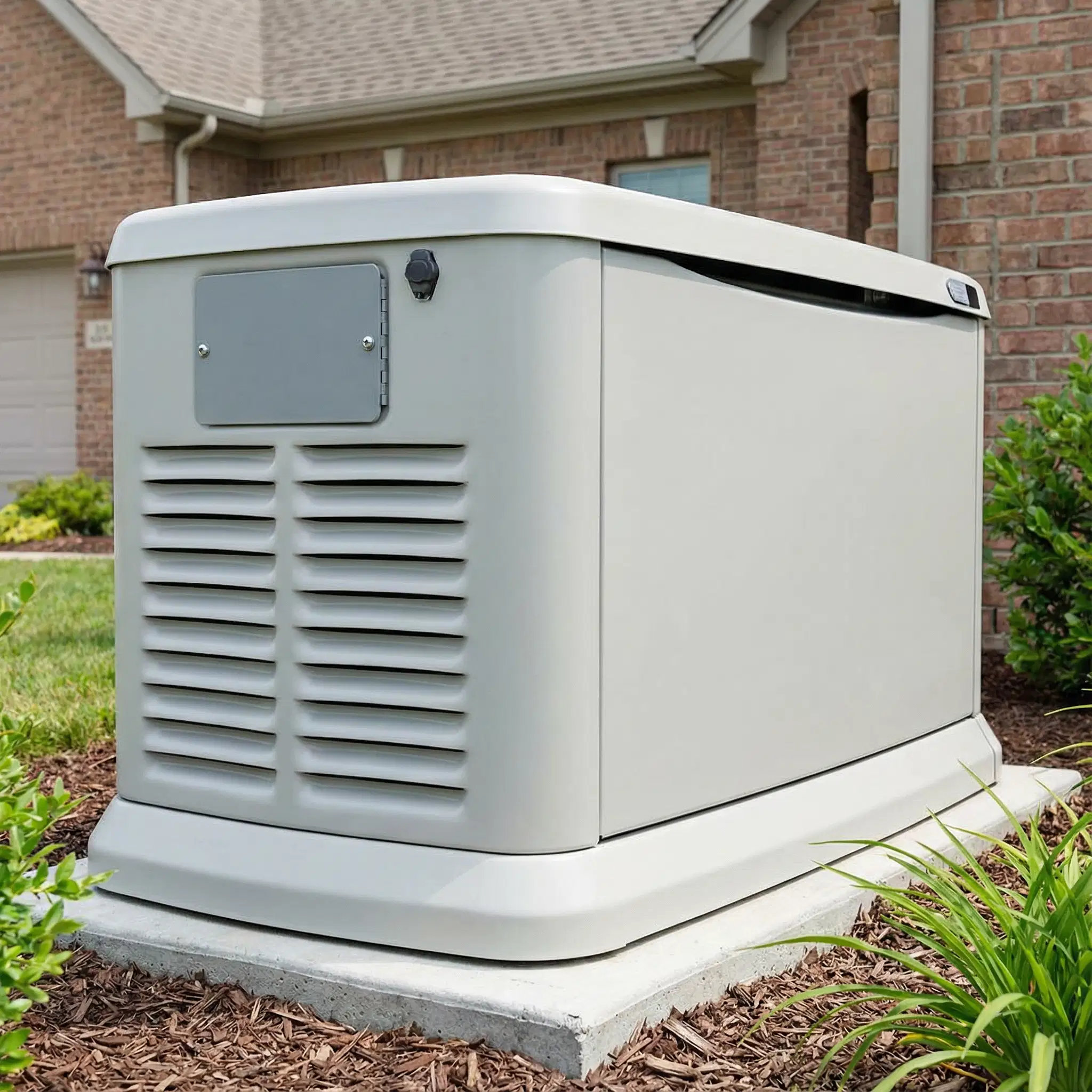
We’ve all been there. One minute you’re enjoying a cool blast from the AC during a sweltering Memphis summer day, and the next, a thunderstorm rolls through and everything goes silent. The power’s out. Suddenly, you’re worried about the food in the fridge, the rising heat in the house, and how long you’ll be left in the dark. Power outages in The Bluff City can be more than just an inconvenience; they can disrupt our lives. That’s why many homeowners consider a backup generator a crucial investment. But before you purchase one, the most important step is ensuring you get the right size. Choosing a generator isn't a one-size-fits-all decision. An incorrectly sized unit can lead to wasted money, damaged appliances, or—worst of all—a lack of power when you need it most. This guide will walk you through the essentials of sizing a generator to keep your home safe and comfortable, no matter what the weather brings.
Why Guessing Your Generator Size is a Costly Mistake
It might be tempting to pick a generator based on a neighbor’s recommendation or a sale at the hardware store, but this approach can backfire. There are two main pitfalls to avoid:
- Undersizing: An undersized generator is the most common mistake. When you ask a generator to produce more power than it’s built for, it becomes overloaded. This can cause the generator to shut down completely, or worse, deliver inconsistent power that can permanently damage the sensitive electronics in your appliances, like your HVAC system, refrigerator, and computers. You bought a generator for reliability, but an undersized one delivers the opposite.
- Oversizing: On the other hand, bigger isn’t always better. An oversized generator will certainly power your home, but you’ll pay a premium for it. The initial purchase and installation costs will be significantly higher than necessary. Furthermore, a larger unit consumes more fuel to run, leading to higher operating costs every time you use it. It’s like buying a moving truck for a weekly grocery run—it works, but it’s an inefficient and expensive solution.
Properly sizing your generator ensures you invest in a system that perfectly matches your needs, providing reliable power without breaking the bank. It’s about finding that sweet spot of performance and value, which is crucial for any homeowner.
Identifying Your Home's Essential Power Needs
Before you can determine the right size, you need to decide what you want to power during an outage. Think about your priorities. Are you looking to just keep the basics running, or do you want life to continue as normal? We generally break this down into two categories:
1. Essential Loads: These are the critical systems you can’t live without.
- Refrigerator & Freezer: Protecting your food supply is a top priority.
- HVAC System: In our climate, keeping the heat on during a winter ice storm or the AC running during a summer heatwave is a matter of safety and comfort. This is often the largest electrical load in a home.
- Well Pump & Sump Pump: If your home relies on these, they are non-negotiable.
- Key Lighting: A few lights in the kitchen, bathrooms, and hallways for safety.
- Medical Equipment: Any essential medical devices must have uninterrupted power.
2. Secondary Loads: These are the systems that provide convenience and comfort.
- All Lighting: Powering every light in your home.
- Entertainment: Televisions, computers, and internet routers.
- Appliances: Washing machine, dryer, dishwasher, and microwave.
Making a list of your “must-haves” versus your “nice-to-haves” is the first step in a professional load calculation. At A.B. Electric Services, we always start by understanding your family’s specific needs, paying close attention to the size of your home and the type of heating and air conditioning systems you have, as these are major factors in the final calculation.
Understanding Watts: The Key to Sizing
Every appliance in your home requires a certain amount of electricity, measured in watts, to run. There are two types of wattage to consider:
- Running Watts: The continuous power an appliance needs to operate.
- Starting Watts (or Surge Watts): The extra burst of power an appliance with a motor (like a refrigerator or air conditioner) needs for a few seconds just to start up. This can be two to three times higher than its running wattage.
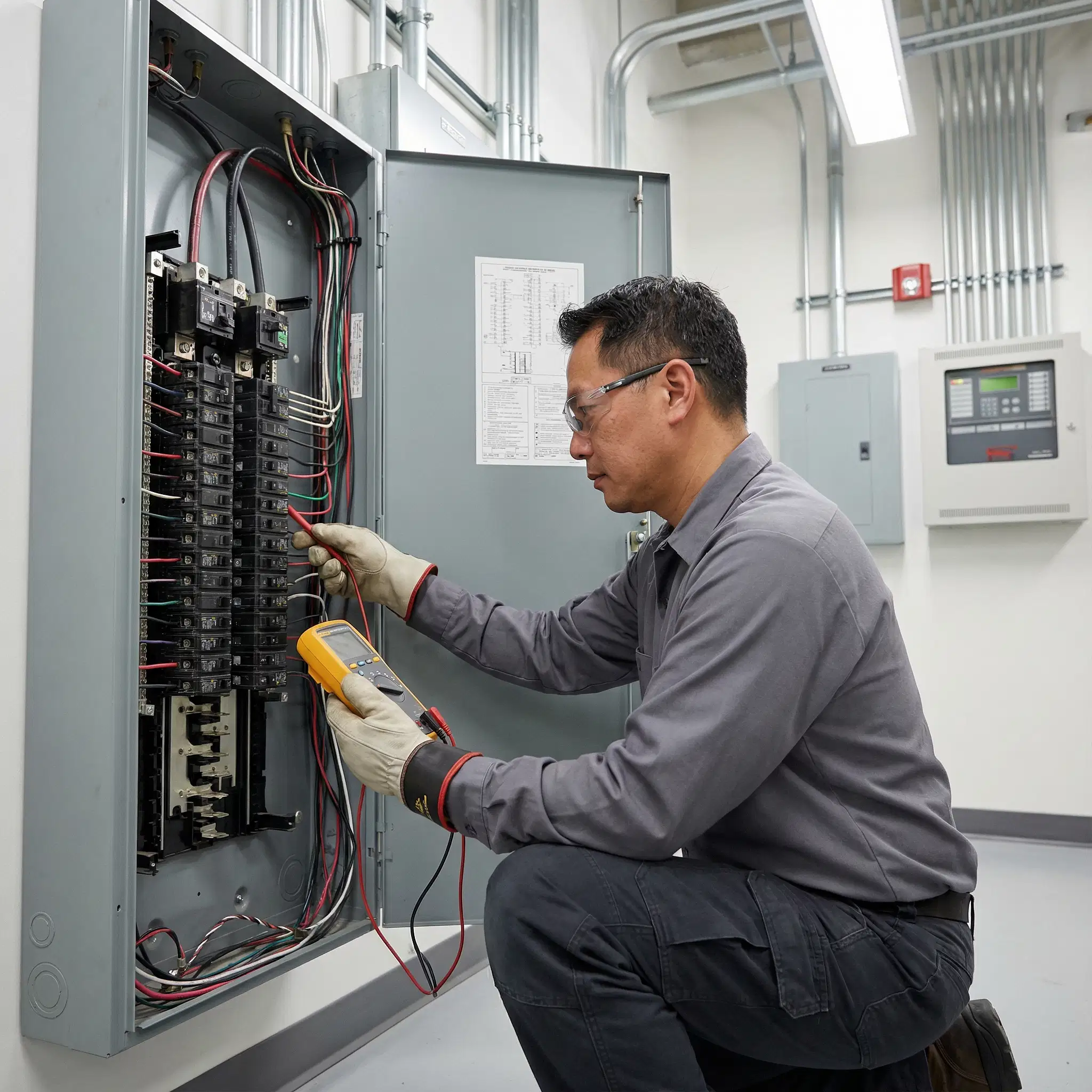
Your generator must be able to supply enough starting wattage for the largest appliance that will kick on, plus the running wattage of everything else that will be operating at the same time. This is where a professional assessment becomes invaluable. A licensed electrician can perform a detailed load calculation, analyzing your home’s electrical panel and major appliances to determine the precise wattage required. This eliminates guesswork and ensures the generator we recommend for your residential electrical service needs is a perfect fit.
This process is a core part of our electrical troubleshooting and assessment expertise. We don't just sell you a box; we design a complete backup power solution tailored to your home.
Secure Your Peace of Mind with a Professional Installation
Choosing the right size generator is a critical first step, but it’s only half the battle. Professional installation is essential for the safety, reliability, and longevity of your backup power system. A licensed electrician will ensure your generator is connected safely to your home's electrical panel, meets all local codes, and operates exactly as it should when you need it most.
If y'all are fixin' to protect your family from the next power outage, don't leave it to chance. The team at A.B. Electric Services has the expertise to help you select and install the perfect generator for your home's unique needs. We’re committed to providing safe, reliable, and fairly priced solutions to our neighbors across the Memphis area.
Ready to get started? Contact us today for a professional consultation on our expert generator installations and enjoy the peace of mind that comes with knowing you’re always prepared.