Don't Get Left in the Dark: A Memphis Homeowner's Guide to Choosing the Right Generator
We’ve all been there. The wind starts howling, the sky turns a funny color, and then—click—the power goes out. Here in Memphis, unpredictable weather is a fact of life, and a power outage can be more than just an inconvenience. It can mean a sweltering house in July, a freezing one in January, or a fridge full of spoiled food. That’s why so many homeowners are investing in the peace of mind that a home generator provides. But where do you start? Choosing the right generator can feel overwhelming, with all the different sizes, types, and features available. This guide will walk you through the key considerations to ensure y'all make the best choice for your home and family, keeping you safe and comfortable when the next storm rolls through.
The Most Critical Step: How to Size Your Home Generator
Getting the size right is the single most important part of selecting a generator. Too small, and it won't be able to power your essential appliances, defeating the purpose. Too large, and you'll overspend on the unit and fuel without any real benefit. The goal is to find the sweet spot that meets your specific needs.
So, how do we determine the right size? It’s a detailed process that goes beyond a simple square footage calculation. At A.B. Electric Services, we conduct a thorough assessment of your home's electrical demands. We look at key factors like:
- Your Home's Major Systems: The size and type of your air conditioning and heating systems are huge factors. These are some of the most power-hungry appliances in your home, and ensuring they can run during an outage is a top priority for most families.
- Essential Appliances: We'll help you create a list of what you absolutely need to keep running. This typically includes the refrigerator and freezer, a few lights, outlets for charging devices, and medical equipment if necessary.
- Whole-House vs. Essential Loads: Do you want seamless power for your entire home, or are you comfortable with just powering the essentials? A whole-house generator provides ultimate convenience, while an essential-load system is a more budget-friendly option that still covers the critical necessities. A professional load calculation is the only way to accurately determine the wattage required to safely power your chosen circuits without the risk of overload, which can cause your circuit breakers to trip or damage your electronics.
Portable Power vs. Standby Solutions: Which is Right for You?
Once you have an idea of your power needs, the next choice is between a portable generator and a permanent standby unit. They serve the same basic function but offer very different experiences.
Portable Generators
- Pros: Lower initial cost, can be moved where needed, and are useful for camping or job sites.
- Cons: They require manual setup during an outage (often in bad weather), need to be refueled regularly, and have a limited power output. Most importantly, they pose significant safety risks if not used correctly. They must be operated outdoors far from windows to prevent carbon monoxide poisoning and require heavy-duty extension cords or a professionally installed manual transfer switch to connect to your home safely.
Standby Generators
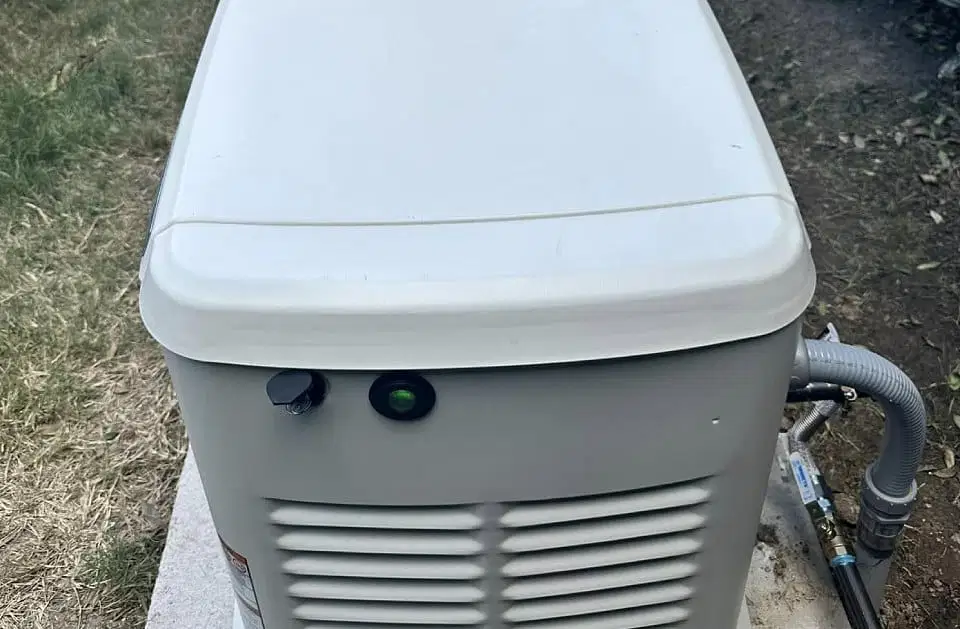
- Pros: These are the ultimate solution for home backup power. A standby generator is permanently installed outside your home and connected directly to your electrical panel and fuel source (like natural gas or propane). When it detects a power outage, an automatic transfer switch (ATS) seamlessly shifts your home's power source to the generator, usually within seconds. You don't have to do a thing. They are safer, more reliable, and can power much more of your home—even the entire house.
- Cons: The primary drawback is the higher upfront investment, as they require professional installation to ensure they meet all local electrical codes and safety standards.
For homeowners looking for reliability and true peace of mind, a standby generator is the superior choice. It’s a hands-off solution that ensures your home’s power and security are maintained, whether you're home or away.
Fueling Your Peace of Mind: Fuel Types and Key Features
For standby generators, the two most common fuel sources are natural gas and liquid propane (LP).
- Natural Gas: If your home already has a natural gas line, this is often the most convenient and cost-effective option. It provides a continuous fuel supply, so you never have to worry about refueling during an extended outage.
- Liquid Propane: For homes without access to natural gas, LP is an excellent alternative. It's stored in a large tank on your property and is a very stable, reliable fuel source.
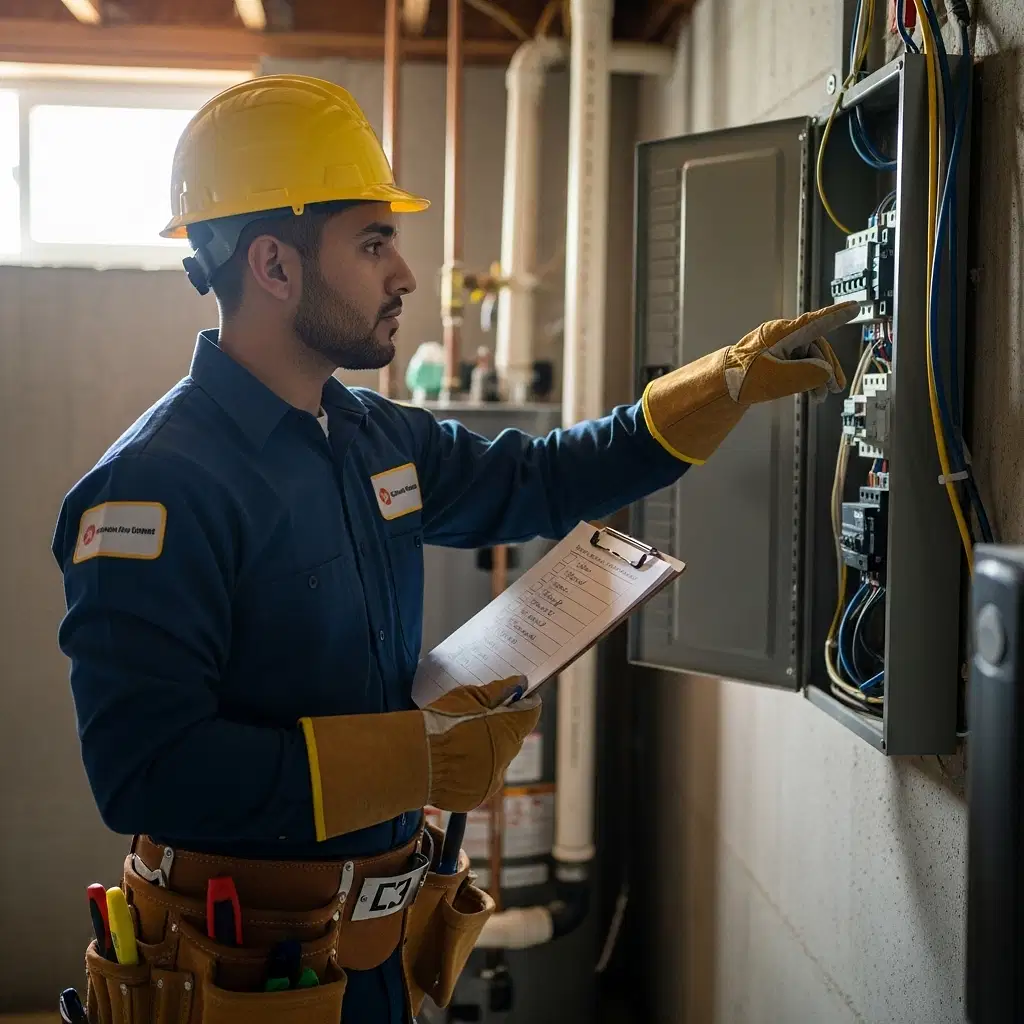
Beyond the fuel source, the Automatic Transfer Switch (ATS) is the most important feature of a standby system. This device is the brains of the operation. It constantly monitors the power coming from the utility. The moment it senses an interruption, it disconnects your home from the grid and signals the generator to start, automatically restoring power. When utility power returns, the ATS switches you back to the grid and shuts the generator down. This seamless transition protects your sensitive electronics from power surges and provides truly effortless backup power.
Be Prepared with A.B. Electric Services
Choosing the right generator is a significant investment in your home's safety and comfort. From performing an accurate load calculation to selecting between a portable or standby unit and ensuring a safe, code-compliant installation, it's a job best left to the professionals. An improperly installed generator can be a serious safety hazard and may not perform when you need it most.
If you're fixin' to prepare your home for the next power outage in the Memphis area, our team is here to help. We specialize in professional generator installations and can guide you through every step of the process. Contact A.B. Electric Services today for a consultation, and let us provide the reliable backup power solution your family deserves.